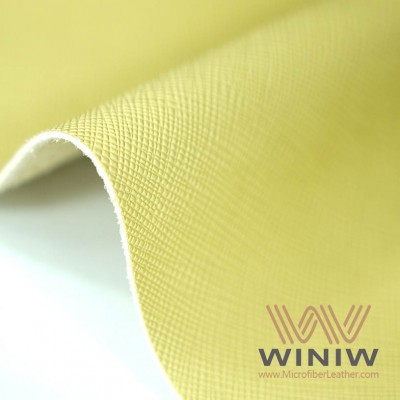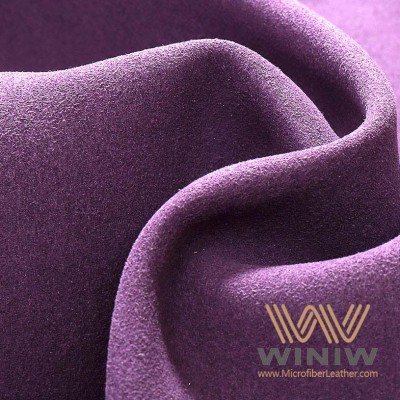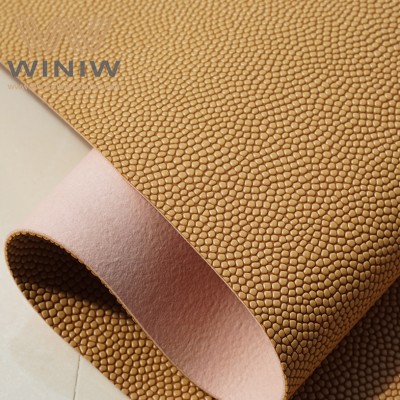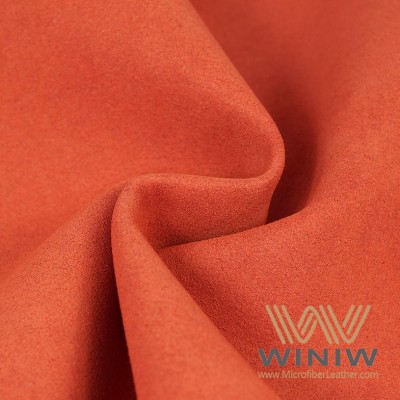
Bei der Auswahl von PU-Wildleder für Möbelbezüge achte ich auf die wichtigsten Eigenschaften, die Komfort und Langlebigkeit garantieren. Ich prüfe die Abriebfestigkeit für den täglichen Gebrauch, die UV-Beständigkeit gegen Ausbleichen sowie das richtige Gewicht und die optimale Dicke für die nötige Stabilität. Die Textur ist wichtig für ein weiches Gefühl, während ein niedriger VOC-Gehalt für saubere Luft sorgt. Farbe und Muster passe ich stets an den Raum an und achte auf einfache Reinigung. Ich empfehle, diese Checkliste für jedes Polsterprojekt zu verwenden.
Wählen Sie PU-Wildlederstoff wegen seiner Komfort und Langlebigkeit.
Stoffproben testen bei heim um sicherzustellen, dass Farbe und Textur zu Ihrem Raum passen.
Achten Sie auf PU-Wildleder mit Flecken- und Wasserbeständigkeit für eine einfache Reinigung.
Wählen Sie mittlere Farbtöne oder Muster, um Flecken und Abnutzungsspuren zu kaschieren.
Prüfen Sie die UV-Beständigkeit, um ein Ausbleichen in sonnigen Räumen zu verhindern.
Achten Sie darauf, dass der Stoff eine stabile Rückseite hat, um eine lange Lebensdauer zu gewährleisten.
In Betracht ziehen umweltfreundliche Optionen mit geringen VOC-Emissionen für ein gesünderes Zuhause.
Bei der Auswahl von Polsterstoffen greife ich oft zu PU-WildlederstoffDieses Material vereint die Optik und Haptik von echtem Wildleder mit den praktischen Vorteilen synthetischer Fasern. Hersteller produzieren PU-Gewebe, indem sie eine Basisschicht, meist Polyester oder Mikrofaser, mit einer Polyurethanschicht beschichten. Dadurch entsteht eine weiche, samtige Oberfläche, die echtem Wildleder täuschend ähnlich sieht. Ich finde, PU-Wildleder bietet eine flauschige Textur und fühlt sich angenehm weich an, weshalb es sich besonders für gemütliche Sofas und Sessel eignet. Viele Hausbesitzer schätzen die selbstklebenden Varianten, die einfache DIY-Projekte und schnelle Reparaturen ermöglichen.
Viele Leute fragen mich nach dem/der/dem Unterschied zwischen PU-Wildleder Stoff und Kunstwildleder. Beide Materialien zielen darauf ab, die luxuriöse Optik von Naturwildleder nachzubilden, unterscheiden sich jedoch in ihrer Herstellung und ihren Eigenschaften. Kunstwildleder besteht typischerweise aus dicht gewebten Mikrofasern, während PU-Stoff seine charakteristische Oberfläche durch eine Polyurethanbeschichtung erhält. Selbstklebender Wildlederstoff ist in beiden Varianten erhältlich, wobei die PU-Version oft eine bessere Beständigkeit gegen Flecken und Verschmutzungen bietet.
Um Ihnen die Unterschiede zu verdeutlichen, habe ich ein Vergleichstabelle basierend auf meiner Erfahrung und Branchendaten:
Merkmal | Kunstwildleder (Mikrofaser) | Canvas (zur Veranschaulichung) |
|---|---|---|
Wasserkontakt | Neigt zu Fleckenbildung und Verfärbungen, sofern nicht vorbehandelt. | Zieht langsam ein; trocknet gut; oft zum Schutz beschichtet. |
Abriebfestigkeit | Der Flor nutzt sich durch Reibung ab; die Kanten fransen mit der Zeit aus | Dichtes Gewebe widersteht wiederholtem Reiben und Kratzen. |
Fleckenretention | Poröse Oberfläche fängt Öle und Pigmente auf. | Leichter zu reinigen; Flecken lassen sich entfernen, wenn sie frühzeitig erkannt werden. |
UV-Ausbleichen | Farben verblassen unter Sonneneinstrahlung schneller. | Stabilere Farbstoffe und dickere Fasern widerstehen dem Ausbleichen. |
Gewichtskapazität | Die Struktur wird unter hoher Belastung geschwächt. | Konzipiert für das regelmäßige Tragen erheblicher Gewichte |
Ich empfehle immer, beim Vergleich von PU-Gewebe und Velourslederimitat das Etikett zu beachten. Velourslederimitat auf Mikrofaserbasis fühlt sich zwar weich an, ist aber möglicherweise nicht so strapazierfähig wie PU-Gewebe, insbesondere in stark frequentierten Bereichen. Selbstklebendes Velourslederimitat aus PU-Gewebe ist in der Regel langlebiger und widerstandsfähiger gegen alltägliche Abnutzung.
Ich wähle PU-Wildleder für Sofas, weil es Komfort, Stil und Funktionalität vereint. Die weiche Oberfläche fühlt sich einladend an, während die darunterliegende PU-Gewebestruktur dem täglichen Gebrauch standhält. Selbstklebendes Wildleder erleichtert das Neubeziehen oder Reparieren von Möbeln, selbst für Anfänger. Der Mikrofaseranteil im PU-Wildleder sorgt für Atmungsaktivität und Flexibilität und erhöht so den Sitzkomfort auch bei längerem Sitzen.
Ein weiterer Grund, warum ich PU-Wildleder bevorzuge, ist seine Pflegeleichtigkeit. Die meisten Flecken lassen sich einfach mit einem feuchten Tuch abwischen, und das Material ist lichtbeständig. Dank selbstklebender Wildlederoptionen kann ich das Aussehen meines Sofas ganz einfach selbst verändern. Wenn ich ein modernes, langlebiges und bequemes Sofa möchte, vertraue ich auf PU-Gewebe und Mikrofasermischungen für dauerhafte Ergebnisse.
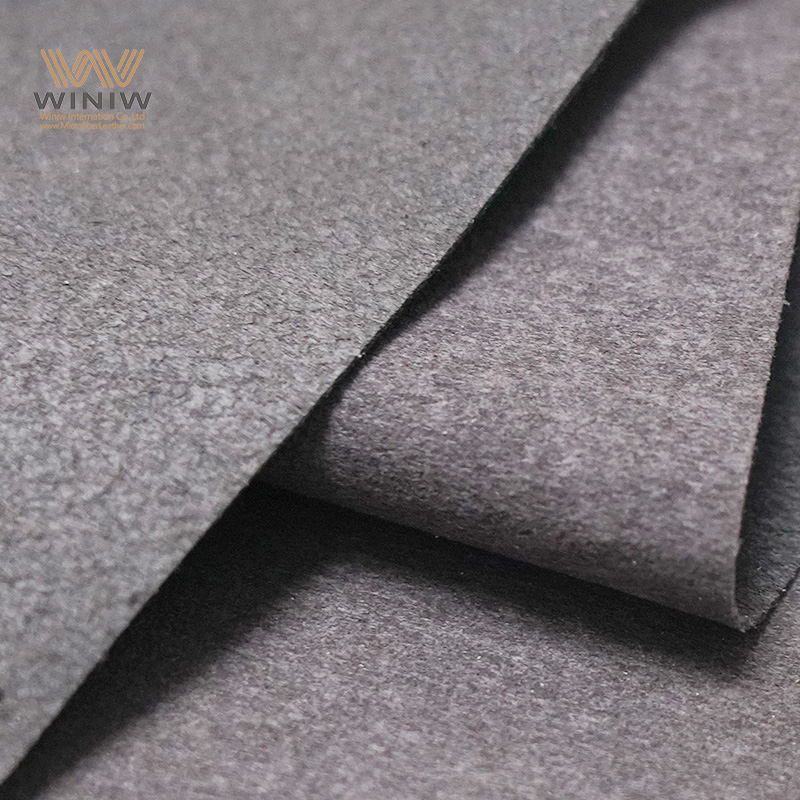
Wenn ich PU-Stoff für ein Sofa auswähle, berühre ich immer zuerst die Oberfläche. Die Textur sollte sich weich und einladend anfühlen. Ich fahre mit der Hand über den Stoff, um zu prüfen, ob er sich samtig anfühlt. Ein guter PU-Stoff ahmt die sanfte Haptik von echtem Wildleder nach. Ich vermeide Stoffe, die sich steif oder plastikartig anfühlen. Weichheit ist wichtig, da sie den Sitzkomfort des Sofas im Alltag beeinflusst. Vergleich von PU-Gewebe mit Kunstleder Wildleder. Meiner Erfahrung nach fühlt sich PU-Gewebe oft glatter und gleichmäßiger an. Ich empfehle, vor der endgültigen Entscheidung selbstklebende Wildleder-Stoffmuster zu bestellen. So kann ich den Griff zu Hause testen und sicherstellen, dass der Stoff meinen Komfortansprüchen genügt.
Atmungsaktivität spielt eine große Rolle für den Tragekomfort. Ich suche nach PU-Gewebe, das die Luftzirkulation ermöglicht. Mikrofasermischungen verbessern oft Luftzirkulation. Wenn ich längere Zeit auf einem Sofa sitze, möchte ich, dass die Sitzfläche kühl und trocken bleibt. Ich vermeide PU-Gewebe, das Wärme oder Feuchtigkeit staut. Ich achte in den Produktbeschreibungen auf Hinweise zu atmungsaktiven Schichten oder perforierter Rückseite. Selbstklebendes Wildlederimitat mit einem Mikrofaserbasis Bietet in der Regel eine bessere Atmungsaktivität. Ich teste immer eine Probe, indem ich sie einige Minuten lang direkt auf die Haut halte. Wenn sie sich klamm anfühlt, wähle ich eine andere Option.
Bei der Auswahl von Polsterstoffen steht Langlebigkeit ganz oben auf meiner Checkliste. Ich achte auf Gewicht und Dicke des PU-Gewebes. Schwerere und dickere Materialien halten in der Regel länger. Ich frage die Lieferanten nach dem Flächengewicht (Gramm pro Quadratmeter). Ein höherer Wert bedeutet, dass der Stoff strapazierfähiger ist. Außerdem vergleiche ich verschiedene selbstklebende Wildlederstoffe. Dickere Varianten sind reißfester und dehnungsbeständiger. Für Sofas in stark frequentierten Räumen wähle ich immer etwas schwereres PU-Gewebe. So kann ich sicher sein, dass der Stoff lange hält.
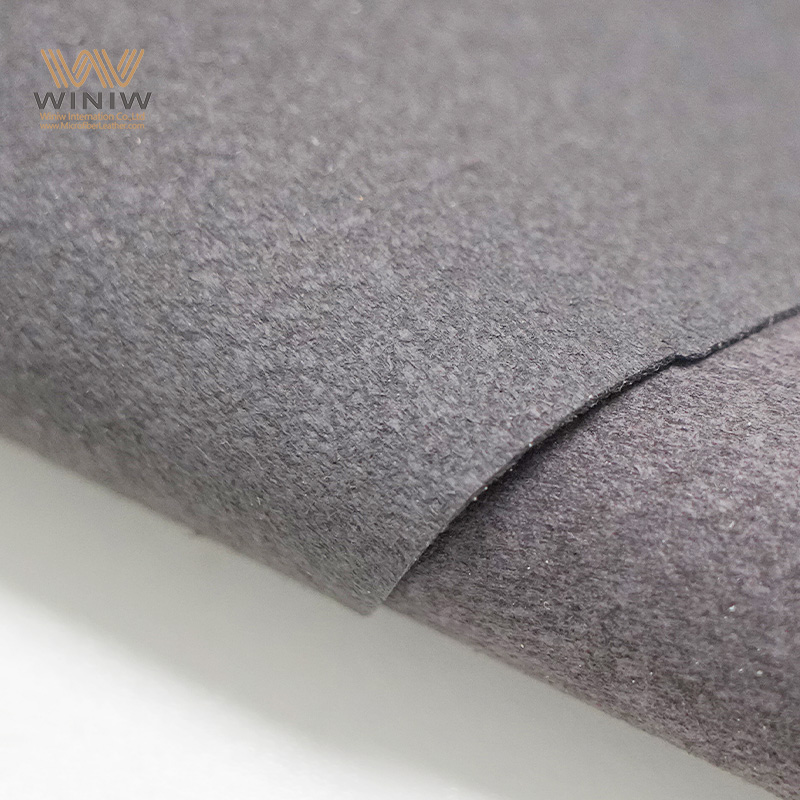
Das Trägermaterial verleiht PU-Gewebe zusätzliche Festigkeit. Ich prüfe die Unterseite jedes Musters. Ein robustes Trägermaterial, wie beispielsweise gewebtes Polyester oder Mikrofaser, verbessert die Abriebfestigkeit des Gewebes. Dünne oder instabile Trägermaterialien vermeide ich, da sie schnell verschleißen. Bei selbstklebendem Wildlederimitat achte ich darauf, dass die Klebeschicht das Trägermaterial nicht schwächt. Ich bevorzuge Produkte mit verstärkter Unterseite. Diese sorgt dafür, dass das Gewebe an Ort und Stelle bleibt und nicht mit der Zeit durchhängt. Bei DIY-Projekten erleichtert ein stabiles Trägermaterial die Anbringung und sorgt für ein professionelleres Ergebnis.
Sonnenlicht kann PU-Gewebe beschädigen, wenn es nicht UV-beständig ist. Beim Kauf von Polsterstoffen frage ich daher immer nach UV-beständigen Ausrüstungen. Stoffe mit integriertem UV-Schutz behalten ihre Farbe länger. Um zu testen, ob ein Stoff ausbleicht, lege ich Stoffproben einige Tage lang in die Nähe eines sonnigen Fensters. Verändert sich die Farbe, weiß ich, dass der Stoff in hellen Räumen nicht lange halten wird. Mikrofaser-Mischgewebe bieten mitunter einen besseren UV-Schutz. Ich achte außerdem auf PU-Gewebe mit der Kennzeichnung „farbbeständig“. Diese Eigenschaft schützt meine Investition und sorgt dafür, dass mein Sofa lange wie neu aussieht. Ich weise meine Kunden darauf hin, dass selbst das beste PU-Wildleder von gelegentlichem Drehen oder Beschatten profitiert, um die Sonneneinstrahlung zu minimieren.
Tipp: Bitten Sie den Lieferanten stets um detaillierte Pflegehinweise. Die richtige Pflege verlängert die Lebensdauer Ihres PU-Gewebes und erhält dessen Farbe und Textur.
Bei der Auswahl von PU-Stoffen für Sofas achte ich besonders auf Flecken- und Wasserbeständigkeit. In lebhaften Haushalten passiert schnell mal etwas verschüttet. Ich brauche ein Material, das robust ist und lange gut aussieht. Viele PU-Stoffe verfügen über eine schützende Polyurethanschicht. Diese Schicht verhindert das Eindringen von Flüssigkeiten. Ich teste Stoffproben, indem ich Wasser auf die Oberfläche tropfen lasse. Perlt das Wasser ab, weiß ich, dass der Stoff wasserabweisend ist. Außerdem prüfe ich, wie leicht sich Flecken entfernen lassen. Einige selbstklebende Wildlederstoffe sind mit zusätzlichen Beschichtungen für extra Schutz versehen. Diese eignen sich gut für Familien mit Kindern oder Haustieren.
Mikrofaser-Mischgewebe in PU-Stoffen verbessern die Fleckenbeständigkeit. Die dichten Fasern verhindern, dass sich Schmutz tief im Gewebe festsetzt. Ich vermeide Kunstveloursleder für stark frequentierte Bereiche, da es Flüssigkeiten schneller aufsaugt. Bei meinen DIY-Polsterprojekten wähle ich selbstklebenden Velourslederstoff mit eindeutiger Wasserbeständigkeitskennzeichnung. Das spart Zeit beim Reinigen und verlängert die Lebensdauer des Sofas. Ich lese immer die Pflegehinweise, um die besten Reinigungsmethoden zu ermitteln.
Tipp: Für optimale Ergebnisse verschüttete Flüssigkeiten sofort mit einem sauberen Tuch abtupfen. Reiben vermeiden, da dies die Flecken tiefer in das Gewebe drücken kann.
Die Wahl der richtigen Farbe, des richtigen Musters und des richtigen Stils für PU-Gewebe hat einen großen Einfluss auf das endgültige Erscheinungsbild eines Sofas. Ich berücksichtige dabei sowohl die optische Wirkung als auch die praktischen Vorteile jeder Option.
Ich stimme Farbe und Muster des PU-Stoffs stets auf die bestehende Einrichtung meines Wohnraums ab. Neutrale Töne harmonieren gut mit den meisten Stilen. Kräftige Farben oder außergewöhnliche Muster setzen Akzente. Um zu sehen, wie verschiedene Farbtöne bei natürlichem und künstlichem Licht wirken, verwende ich selbstklebende Wildlederstoffmuster. So vermeide ich unliebsame Überraschungen nach der Anbringung. Außerdem vergleiche ich die Textur jedes Musters mit anderen Stoffen im Raum. Eine einheitliche Textur sorgt für ein harmonisches Gesamtbild, während kontrastierende Texturen für Abwechslung sorgen.
Ich suche nach Farben und Mustern, die Flecken und Gebrauchsspuren kaschieren. Mittlere Farbtöne und dezente Muster eignen sich am besten. Auf hellen Farben sieht man Schmutz schnell. Dunkle Farben lassen Staub und Tierhaare deutlich erkennen. Ich bevorzuge PU-Gewebe mit einer leichten Struktur, da es kleinere Makel kaschiert. Mikrofaser-Mischgewebe in selbstklebender Wildlederoptik helfen, kleine Flecken zu verdecken. Für Haushalte mit Kindern oder Haustieren empfehle ich, auf einfarbiges Weiß oder Schwarz zu verzichten. Gemustertes PU-Gewebe bietet die beste Balance zwischen Stil und Funktionalität.
Notiz: Bestellen Sie vor Ihrer endgültigen Entscheidung immer große Stoffmuster. Wenn Sie den Stoff in Ihren eigenen Räumlichkeiten begutachten, stellen Sie sicher, dass Farbe und Textur Ihren Erwartungen entsprechen.
Pflegeleichtigkeit sorgt dafür, dass ein Sofa jahrelang wie neu aussieht. Ich wähle PU-Gewebe, das sich minimal reinigen lässt. Die meisten Flecken lassen sich mit einem feuchten Tuch abwischen. Ich verzichte auf aggressive Chemikalien, da diese die Struktur beschädigen können. Selbstklebendes Wildlederimitat wird oft mit einfachen Pflegehinweisen geliefert. Diese befolge ich genau, um das Aussehen des Stoffes zu erhalten.
Zur regelmäßigen Reinigung sauge ich das Sofa wöchentlich mit einem weichen Bürstenaufsatz ab. So entferne ich Staub und verhindere, dass sich Ablagerungen im Bezug bilden. Verschüttete Flüssigkeiten behandle ich sofort. Hartnäckigere Flecken behandle ich, sofern der Stoff es zulässt, mit einer milden Seifenlauge. Reinigungsmittel teste ich immer zuerst an einer unauffälligen Stelle. Dadurch vermeide ich Verfärbungen oder Beschädigungen. Wenn ich mich für einen PU-Stoff mit hoher Wasserbeständigkeit entscheide, muss ich mir weniger Gedanken über dauerhafte Flecken machen.
Regelmäßige Reinigung verlängert die Lebensdauer Ihres Sofas. Ich empfehle, sich Erinnerungen einzustellen, um Abnutzungserscheinungen zu überprüfen und eventuelle Probleme frühzeitig zu beheben. Für kleinere Reparaturen habe ich immer selbstklebendes Wildlederimitat parat. So bleiben meine Möbel wie neu und ich spare langfristig Geld.
Bei der Auswahl von Materialien für mein Zuhause achte ich stets auf deren Umweltverträglichkeit und die Qualität der Raumluft. Viele Menschen vernachlässigen diese Faktoren bei der Wahl von PU-Stoffen für Sofas. Ich bin der Ansicht, dass Umweltfreundlichkeit und geringe VOC-Emissionen bei jeder Entscheidung für Polsterstoffe berücksichtigt werden sollten.
Zuerst prüfe ich, ob das PU-Gewebe mit wasserbasiertem Polyurethan beschichtet ist. Diese Beschichtungsart erzeugt bei der Herstellung weniger Schadstoffemissionen. Außerdem achte ich auf Zertifizierungen wie OEKO-TEX oder GREENGUARD. Diese Siegel garantieren mir, dass das PU-Gewebe strenge Standards für chemische Sicherheit und Umweltverträglichkeit erfüllt.
Ein niedriger VOC-Gehalt (flüchtige organische Verbindungen) ist mir wichtig. Hohe VOC-Werte können Kopfschmerzen, Allergien oder Atemwegsprobleme verursachen. Ich frage Lieferanten daher immer nach VOC-Testergebnissen oder Produktdatenblättern. Wenn der PU-Stoff stark chemisch riecht, meide ich ihn. Ich bevorzuge Produkte mit niedrigem oder gar keinem VOC-Gehalt. So sorge ich für ein gesünderes und sichereres Wohnumfeld für meine Familie.
Bei meinen Heimwerkerprojekten verwende ich oft selbstklebendes Wildlederimitat. Ich achte darauf, dass der Klebstoff lösungsmittelfrei und ungiftig ist. Einige Hersteller verwenden wasserbasierte Klebstoffe, die weniger Schadstoffe freisetzen. Ich lese die Verpackung sorgfältig und kontaktiere den Hersteller, wenn ich Fragen zur Klebstoffzusammensetzung habe.
Hier ist eine kurze Checkliste, die ich zur Bewertung der Umweltfreundlichkeit und der VOC-Sicherheit verwende:
Achten Sie auf wasserbasierte Polyurethanbeschichtungen auf PU-Gewebe.
Achten Sie auf Zertifizierungen durch Dritte (OEKO-TEX, GREENGUARD oder ähnliche).
Fordern Sie VOC-Emissionsdaten vom Lieferanten an.
Wählen Sie selbstklebendes Wildledergewebe mit ungiftigen, lösungsmittelfreien Klebstoffen.
Vermeiden Sie Produkte mit starkem chemischem Geruch oder unklaren Inhaltsstofflisten.
Tipp: Neue Möbel oder Textilien sollten vor dem ersten Gebrauch einige Tage in einem gut belüfteten Raum auslüften. Dadurch werden verbleibende flüchtige organische Verbindungen (VOCs) reduziert und das Raumklima verbessert.
Ich achte auch auf die Recyclingfähigkeit und Langlebigkeit von PU-Gewebe. Strapazierfähige Materialien reduzieren Abfall, da ich sie seltener ersetzen muss. Ich wähle PU-Gewebe mit einer robusten Rückseite und hochwertiger Textur. Dieser Ansatz fördert die Nachhaltigkeit und spart langfristig Geld. Wenn ich selbstklebendes Wildlederimitat verwende, bewahre ich Reststücke für zukünftige Reparaturen auf. Diese Vorgehensweise minimiert Abfall und verlängert die Lebensdauer meiner Möbel.
Umweltfreundliche Entscheidungen bedeuten nicht, auf Stil oder Komfort zu verzichten. Ich habe viele PU-Stoffe gefunden, die wunderschöne Farben, eine weiche Textur und eine verantwortungsvolle Herstellung bieten. Indem ich emissionsarme und nachhaltige Materialien bevorzuge, schaffe ich ein gesünderes Zuhause und trage zu einer saubereren Umwelt bei.
Als ich PU-Gewebe bewerten Bei der Anschaffung eines neuen Sofas beginne ich immer damit, physische Muster anzufordern. Nur so kann ich mir ein genaues Bild von der tatsächlichen Qualität des Materials machen. Mithilfe einer einfachen Checkliste stelle ich sicher, dass das Muster meinen Ansprüchen an Komfort und Langlebigkeit genügt.
Dicke: Ich messe die Probe und suche nach einem Dicke zwischen 0,8 mm und 2,0 mmDickeres PU-Gewebe ist in der Regel langlebiger und verschleißfester auf Sofas.
Reißfestigkeit: Ich ziehe und dehne den Stoff vorsichtig. Für Sofas wünsche ich mir eine Reißfestigkeit von über 40 N. So ist sichergestellt, dass das Material dem täglichen Gebrauch standhält, ohne zu reißen.
Rückseitenmaterial: Ich drehe das Muster um und überprüfe die Rückseite. Eine gewebte Polyesterrückseite sorgt für mehr Stabilität und trägt dazu bei, dass das PU-Gewebe seine Form dauerhaft behält.
Farbechtheit: Ich reibe die Oberfläche mit einem feuchten, weißen Tuch ab und lege die Probe ein bis zwei Tage in die Sonne. Ein gutes PU-Gewebe sollte nicht abfärben oder schnell ausbleichen.
Flexibilitätstest: Ich biege und falte das Muster mehrmals. Hochwertiges PU-Gewebe reißt oder blättert auch nach wiederholtem Biegen nicht ab.
Diese Schritte geben meiner Meinung nach Aufschluss über die Eigenschaften des Stoffes. Wenn ein Muster bei einer dieser Prüfungen durchfällt, suche ich nach einer Alternative. Ich gehe bei der Qualität keine Kompromisse ein, denn der richtige PU-Stoff macht einen großen Unterschied für die Lebensdauer und das Aussehen eines Sofas.
Tipp: Testen Sie stets mehrere Muster von verschiedenen Lieferanten. Geringfügige Unterschiede in Dicke, Trägermaterial oder Flexibilität können das Endergebnis stark beeinflussen.
Ich achte immer sehr genau auf Anzeichen für schlechtes PU-Wildleder Bei der Auswahl von Materialien für Polsterprojekte achte ich besonders auf die Qualität der Stoffe. Über die Jahre habe ich eine Checkliste entwickelt, die mir hilft, teure Fehler zu vermeiden. Billiges PU-Wildleder mag auf den ersten Blick attraktiv wirken, bietet aber oft nicht den gewünschten Komfort und ist mit der Zeit nicht so strapazierfähig.
Hier sind die häufigsten Warnsignale, auf die ich achte:
Oberflächenrisse oder Abblättern: Ich prüfe den Stoff auf kleine Risse oder Stellen, an denen sich die Oberfläche ablöst. Minderwertiges PU-Wildleder weist diese Mängel oft schon nach kurzer Nutzung auf. Wenn ich auch nur geringfügige Fehler an einem Muster entdecke, weiß ich, dass das Material nicht lange halten wird.
Starker chemischer Geruch: Ich vertraue meiner Nase. Ein stechender oder anhaltender chemischer Geruch deutet meist auf einen hohen VOC-Gehalt oder mangelhafte Herstellungsstandards hin. Ich meide Stoffe, die nicht schnell auslüften.
Uneinheitliche Farbe oder Textur: Ich achte auf ungleichmäßige Färbung, Flecken oder raue Stellen. Hochwertiges PU-Wildleder sollte ein einheitliches Erscheinungsbild und eine glatte, samtige Haptik aufweisen. Unregelmäßigkeiten deuten auf Kompromisse bei der Produktion hin.
Schwache Unterstützung: Ich prüfe die Rückseite immer, indem ich den Stoff vorsichtig ziehe und biege. Eine dünne oder leicht reißende Rückseite bedeutet, dass sich das Material bei normalem Gebrauch dehnt, durchhängt oder reißt.
Schlechte Wasserbeständigkeit: Ich teste die Oberfläche mit ein paar Tropfen Wasser. Wenn die Flüssigkeit einzieht oder einen Fleck hinterlässt, weiß ich, dass die Schutzschicht unzureichend ist. Gutes PU-Wildleder sollte Wasser an der Oberfläche abperlen lassen.
Tipp: Ich vergleiche immer mehrere Stoffproben nebeneinander. Feine Unterschiede in Farbe, Textur oder Flexibilität zeigen oft, welcher Stoff die bessere Qualität bietet.
Ich achte auch darauf, wie sich der Stoff bei normaler Handhabung verhält. Wenn die Oberfläche Fasern verliert, fusselt oder sich klebrig anfühlt, suche ich nach einer Alternative. Ich meide PU-Wildleder, das sich steif oder plastikartig anfühlt, da dies meist bedeutet, dass der Hersteller minderwertiges Polyurethan verwendet oder wichtige Veredelungsschritte ausgelassen hat.
Ich empfehle, den Lieferanten nach der zu erwartenden Lebensdauer und Garantie zu fragen. Seriöse Marken stehen hinter ihren Produkten und geben klare Informationen zu Pflege und Haltbarkeit. Kann der Lieferant grundlegende Fragen nicht beantworten oder zögert er, Muster bereitzustellen, sehe ich das als Warnsignal.
Mangelhafte Qualität frühzeitig zu erkennen, spart Zeit, Geld und Nerven. Ich vertraue auf meine Sinne und meine Erfahrung und gebe mich nie mit Stoffen zufrieden, die nicht meinen Ansprüchen genügen. Durch meine sorgfältige Auswahl stelle ich sicher, dass jedes Sofaprojekt dauerhaften Komfort und Stil bietet.
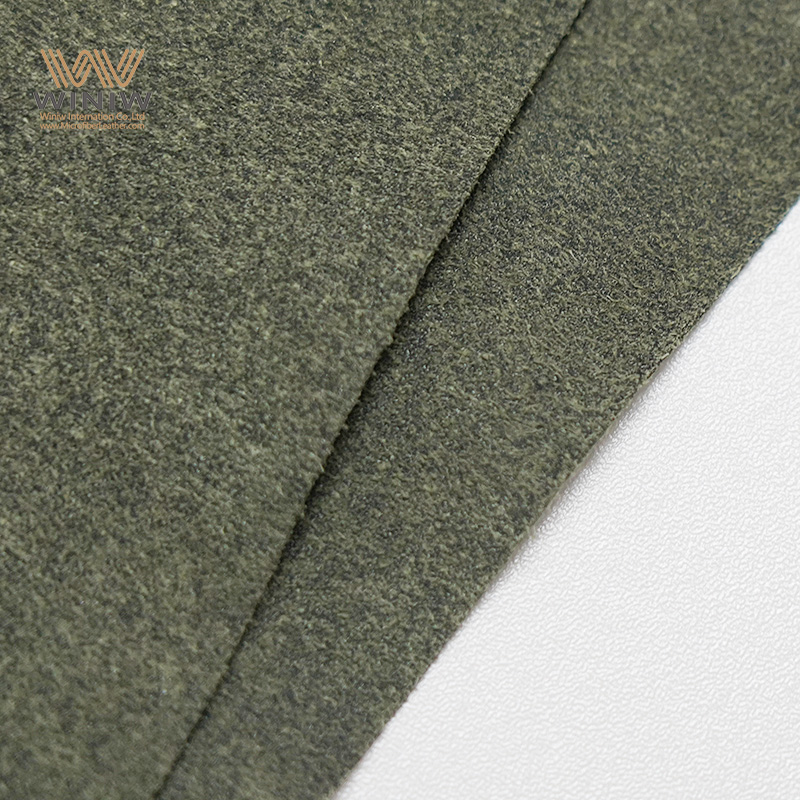
Wenn ich Familien helfe Polsterung auswählenIch empfehle immer PU-Gewebe wegen seiner Strapazierfähigkeit und Pflegeleichtigkeit. Kinder können Sofas ganz schön beanspruchen. Deshalb suche ich nach Materialien, die Flecken, klebrige Finger und wildes Spielen aushalten. Ich bevorzuge PU-Gewebe mit einem weichen Griff und einer robusten Rückseite. Diese Kombination sorgt für Komfort und Langlebigkeit. Ich teste Stoffproben, indem ich sie reibe und dehne. Wenn der Stoff in seine ursprüngliche Form zurückspringt, weiß ich, dass er dem täglichen Gebrauch standhält.
Ich achte auch auf Fleckenschutz. Viele PU-Stoffe haben eine Schutzschicht. Dadurch lassen sich Saft, Filzstifte oder Essensreste spurlos entfernen. Vor dem Kauf frage ich immer nach den Reinigungshinweisen. Ich möchte ein Sofa, das auch nach Jahren im Familienleben noch gut aussieht.
Tipp: Wählen Sie mittlere oder gemusterte Farben. Diese Farbtöne kaschieren Flecken und Kratzer besser als einfarbige helle oder dunkle Töne.
Als Tierbesitzerin kenne ich die Probleme mit Tierhaaren, Krallen und kleinen Missgeschicken. Ich wähle daher immer PU-Gewebe mit dichtem Gewebe und glatter Oberfläche. Dadurch bleiben Tierhaare weniger haften und die Reinigung ist einfacher. Stoffe mit losen Fasern oder grober Struktur meide ich, da sich darin Haare verfangen und die Krallen hängen bleiben können.
Ich teste die Wasserbeständigkeit, indem ich etwas Wasser auf die Probe tropfe. Perlt es ab, bin ich zuversichtlich, dass der Stoff auch mit Haustierflecken zurechtkommt. Außerdem prüfe ich die Kratzfestigkeit. Manche PU-Stoffe haben zusätzliche Beschichtungen, die vor Kratzspuren schützen. Für die schnelle Reinigung zwischendurch habe ich immer eine Fusselrolle und einen Staubsauger griffbereit.
Hier ist eine kurze Checkliste, die ich für haustierfreundliche Sofas verwende:
Dichte, glatte Oberfläche
Starke Unterstützung
Gute Wasserbeständigkeit
Leicht zu reinigende Oberfläche
In vielbeschäftigten Haushalten oder Gemeinschaftsräumen werden Sofas ständig beansprucht. Deshalb wähle ich für diese Bereiche immer PU-Gewebe mit hoher Abriebfestigkeit. Ich frage die Lieferanten nach dem Martindale- oder Wyzenbeek-Wert. Höhere Werte bedeuten bessere Haltbarkeit. Außerdem achte ich auf verstärkte Nähte und eine stabile Rückseite. Diese Merkmale verhindern Durchhängen und Einreißen.
Für stark frequentierte Räume empfehle ich dunklere oder gemusterte PU-Stoffe. Diese sind schmutzabweisender und strapazierfähiger als einfarbige. Um das Sofa lange wie neu aussehen zu lassen, reinige ich es regelmäßig. Staub und Krümel entferne ich mit einer weichen Bürste oder einem Staubsauger.
Notiz: Drehen Sie die Kissen und wechseln Sie die Sitzplätze regelmäßig. Dadurch nutzt sich der Stoff gleichmäßig ab und hält länger.
Indem ich die Eigenschaften von PU-Gewebe auf meinen Lebensstil abstimme, kreiere ich Sofas, die dem Alltag standhalten. Ich genieße Komfort, Stil und die Gewissheit, dass meine Möbel allen Herausforderungen gewachsen sind.
Wenn ich Kunden mit Allergien bei der Auswahl von Polsterstoffen helfe, empfehle ich ihnen aufgrund seiner Eigenschaften immer PU-Wildleder. hypoallergene EigenschaftenViele herkömmliche Stoffe ziehen Staub, Pollen und Tierhaare an. Diese Allergene können Niesen, juckende Augen oder sogar Asthmaanfälle auslösen. Ich habe festgestellt, dass PU-Wildleder aufgrund seiner glatten, porenfreien Oberfläche ein gesünderes Raumklima schafft.
PU-Wildleder hat nicht die offene Webart von Naturfasern wie Baumwolle oder Leinen. Diese Struktur verhindert, dass sich Hausstaubmilben und andere Allergene tief im Gewebe festsetzen. Ich fahre oft mit der Hand über die Oberfläche und merke, wie wenig Schmutz daran haften bleibt. Regelmäßiges Staubsaugen mit einem weichen Bürstenaufsatz entfernt die meisten Partikel. Ich empfehle, mindestens einmal pro Woche zu saugen, um Allergene fernzuhalten.
Ich achte immer auf PU-Wildleder-Optionen mit der Kennzeichnung „antimikrobiell“ oder „allergikerfreundlich“. Diese Stoffe werden speziell behandelt, um Schimmel, Mehltau und Bakterien vorzubeugen. Ich bitte die Lieferanten um entsprechende Dokumente oder Zertifizierungen, um diese Angaben zu bestätigen. Einige Marken stellen Testergebnisse von unabhängigen Prüfinstituten zur Verfügung, was mir zusätzliche Sicherheit gibt.
Hier ist eine kurze Checkliste, die ich bei der Auswahl von PU-Wildleder im Hinblick auf Allergien verwende:
Achten Sie auf fest verbundene, nicht poröse Oberflächen.
Wählen Sie Stoffe mit antimikrobieller oder hypoallergener Ausrüstung.
Vermeiden Sie getuftete oder stark strukturierte Oberflächen, in denen sich Staub ansammelt.
Fordern Sie Informationen zu chemischen Behandlungen oder Oberflächenbehandlungen an.
Tipp: Ich lasse neue PU-Wildlederstoffe vor der Verarbeitung immer auslüften. Dieser Schritt hilft, eventuelle Gerüche oder chemische Rückstände zu reduzieren, die empfindliche Personen reizen könnten.
Ich achte auch auf regelmäßige Reinigungsroutinen. Alle paar Tage wische ich das Sofa mit einem feuchten Mikrofasertuch ab. So entferne ich oberflächlichen Staub, ohne Allergene in die Luft zu verteilen. Ich vermeide aggressive Reinigungsmittel, da diese Rückstände hinterlassen können, die allergische Reaktionen auslösen. Für eine gründlichere Reinigung befolge ich die Anweisungen des Herstellers und verwende ausschließlich zugelassene Produkte.
Ich weise meine Kunden darauf hin, dass PU-Wildleder Feuchtigkeit besser abweist als viele Naturfasern. Diese Beständigkeit hemmt Schimmelbildung, was besonders für Menschen mit Atemwegserkrankungen von Vorteil ist. Außerdem empfehle ich, während der Pollensaison die Fenster geschlossen zu halten und im Wohnzimmer einen Luftreiniger zu verwenden.
Hier ist eine einfache Tabelle, die ich mit allergieanfälligen Kunden teile:
Besonderheit | PU-Wildleder-Vorteil |
|---|---|
Hausstaubmilbenresistenz | Hoch |
Schimmel-/Mehltaubeständigkeit | Exzellent |
Reinigungsleicht | Sehr einfach |
Allergenansammlung | Niedrig |
Mit der Wahl von PU-Wildleder und der Befolgung dieser Tipps helfe ich Familien, ein komfortables und allergikerfreundliches Zuhause zu schaffen. Ich bin überzeugt, dass die richtige Stoffwahl einen entscheidenden Unterschied für den täglichen Komfort und die langfristige Gesundheit ausmacht.
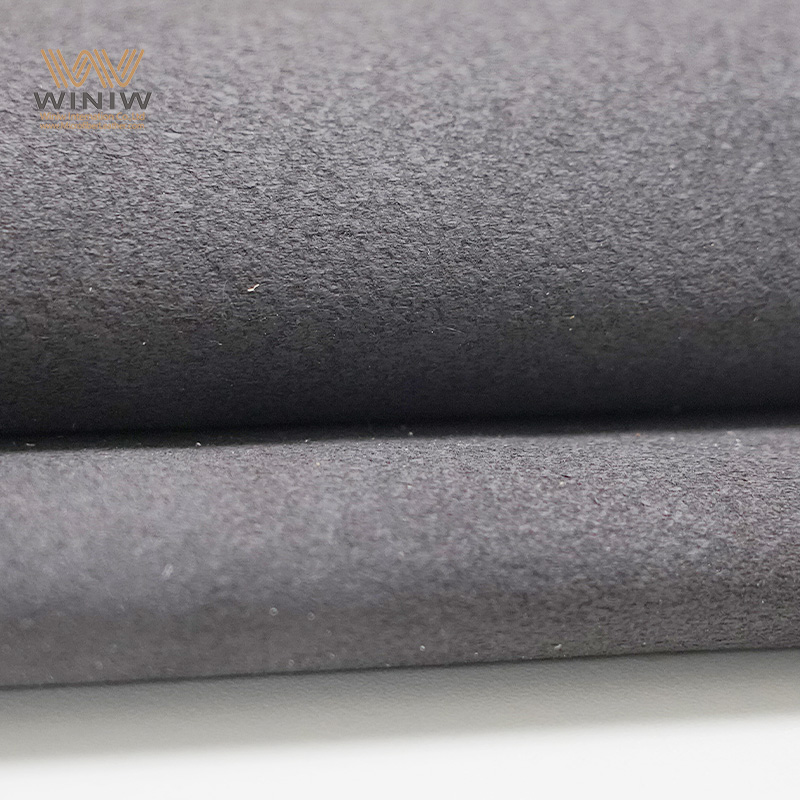
Wenn ich PU-Wildleder für ein Sofa auswähle, achte ich besonders auf die Strapazierfähigkeit. Viele konzentrieren sich auf Farbe oder Textur und vergessen dabei, wie wichtig die Langlebigkeit des Stoffes im Alltag ist. Ich prüfe daher immer die Abriebfestigkeit und die Materialstärke. Fühlt sich der Stoff dünn oder labberig an, weiß ich, dass er nicht lange halten wird. Ich frage die Lieferanten nach den Ergebnissen des Martindale- oder Wyzenbeek-Tests. Diese Tests messen, wie viel Abnutzung ein Stoff aushält, bevor er erste Anzeichen von Beschädigung zeigt. Außerdem achte ich auf eine verstärkte Rückseite, da diese die Stabilität erhöht und dem Stoff hilft, seine Form zu behalten. Überspringe ich diese Schritte, riskiere ich, ein Sofa zu wählen, das zwar anfangs gut aussieht, aber schnell verschleißt.
Tipp: Fordern Sie stets detaillierte Spezifikationen vom Lieferanten an. Ein hochwertiges PU-Wildleder sollte folgende Eigenschaften aufweisen: klare Haltbarkeitsbewertungen und eine starke Unterstützung.
Ich habe schon viele Hausbesitzer erlebt, die ihre Entscheidung bereut haben, weil sie nicht bedacht hatten, dass… ReinigungsanforderungenPU-Wildleder ist zwar fleckenabweisend, aber nicht alle Produkte bieten den gleichen Schutz. Deshalb frage ich vor dem Kauf immer nach den Reinigungshinweisen. Manche Stoffe lassen sich einfach mit einem feuchten Tuch abwischen, andere benötigen Spezialreiniger. Ich teste die Fleckenbeständigkeit, indem ich etwas Wasser oder Kaffee darauf verschütte. Lässt sich der Fleck leicht entfernen, bin ich zuversichtlich, was die Eigenschaften des Stoffes angeht. Ich meide Stoffe, die Flüssigkeiten aufsaugen oder nach der Reinigung Flecken hinterlassen. Außerdem prüfe ich, ob der Hersteller Schutzsprays oder -behandlungen empfiehlt. So bleibt mein Sofa jahrelang wie neu.
Ich bewahre ein einfaches Reinigungsset in der Nähe auf:
Weiches Mikrofasertuch
Milde Seifenlösung
Staubsauger mit Bürstenaufsatz
Notiz: Regelmäßige Pflege verhindert Schmutzablagerungen und verlängert die Lebensdauer von PU-Wildlederbezügen.
Stil ist wichtig, aber ich lasse ihn nie über praktische Bedürfnisse stellen. Ich habe einmal den Fehler gemacht, einen schönen Stoff zu wählen, der dem Alltag nicht standhielt. Heute achte ich auf ein ausgewogenes Verhältnis zwischen Aussehen und Funktionalität. Ich überlege mir, wie das Sofa genutzt wird. In Haushalten mit viel Betrieb wähle ich dunklere Farbtöne oder dezente Muster, die Flecken und Abnutzungsspuren kaschieren. Sehr helle Farben vermeide ich in stark frequentierten Bereichen. Außerdem prüfe ich, ob die Textur zu meinem Lebensstil passt. Eine glatte Oberfläche ist besser geeignet für Haushalte mit Haustieren oder Kindern. Ich erinnere mich daran, dass ein stilvolles Sofa seinen Reiz verliert, wenn es nach kurzer Zeit abgenutzt oder schmutzig aussieht.
Erinnerung: Testen Sie Stoffmuster immer in Ihren eigenen Räumlichkeiten. Gutes Design sollte niemals auf Kosten von Komfort oder Langlebigkeit gehen.
Ich bestehe immer darauf, PU-Wildlederstoffmuster zu Hause zu testen, bevor ich mich endgültig entscheide. Viele lassen diesen Schritt aus, aber ich habe gelernt, dass er über Erfolg oder Misserfolg eines Polsterprojekts entscheiden kann. Die Beleuchtung und die Ausstellungsgestaltung im Geschäft entsprechen selten den Bedingungen in meinem Wohnzimmer. Farben wirken oft anders unter natürlichem Tageslicht oder meinen eigenen Lampen. Die Textur kann sich je nach Temperatur und Luftfeuchtigkeit weicher oder rauer anfühlen. Ich verlasse mich im Geschäft nie allein auf meine Augen oder Hände.
Wenn ich Stoffmuster erhalte, lege ich sie direkt auf mein Sofa oder meinen Sessel. Ich bewege sie im Raum, um zu sehen, wie sich die Farbe bei unterschiedlichem Licht verändert. Ich setze mich auf das Muster und fahre mit der Hand darüber. So kann ich den tatsächlichen Komfort und die Haptik beurteilen. Ich teste auch die statische Aufladung, die bei synthetischen Materialien ein Problem sein kann. Wenn der Stoff an meiner Kleidung klebt oder Staub anzieht, weiß ich, dass er möglicherweise nicht meinen Bedürfnissen entspricht.
Ich prüfe die Fleckenbeständigkeit immer zu Hause. Dazu gebe ich einen kleinen Tropfen Wasser oder Kaffee auf das Stoffmuster und beobachte die Reaktion. Perlt die Flüssigkeit ab und lässt sich leicht abwischen, bin ich zuversichtlich. Zieht sie ein oder hinterlässt sie Flecken, suche ich nach einer besseren Alternative. Außerdem reibe ich das Muster mit einem sauberen, weißen Tuch ab, um zu prüfen, ob es abfärbt. Dieser einfache Test beugt unangenehmen Überraschungen nach der Anbringung vor.
Hier ist meine kurze Checkliste für Heimtests:
Platzieren Sie das Muster auf dem eigentlichen Möbelstück.
Betrachten Sie den Stoff im Morgen-, Nachmittags- und Abendlicht.
Setzen Sie sich auf das Muster, berühren Sie es und bewegen Sie sich darauf, um den Komfort zu testen.
Auf statische Aufladung und Staubanziehung prüfen.
Um die Fleckenbeständigkeit zu testen, verschütten Sie Wasser oder Kaffee.
Mit einem weißen Tuch abreiben, um zu prüfen, ob Farbe abgefärbt hat.
Tipp: Ich lasse die Stoffprobe immer mindestens ein paar Tage auf meinem Sofa liegen. So habe ich Zeit, eventuelle Probleme mit Komfort, Farbe oder Haltbarkeit festzustellen.
Das Testen von Stoffen zu Hause bewahrt mich vor teuren Fehlkäufen. Ich meide Stoffe, die im Geschäft toll aussehen, aber in Wirklichkeit enttäuschen. Ich empfehle jedem, diesen zusätzlichen Schritt zu gehen. So stellt man sicher, dass die endgültige Wahl sowohl dem Stil als auch den praktischen Bedürfnissen entspricht. Ich verzichte nie auf das Testen zu Hause und rate meinen Kunden und Freunden stets dazu.
Bei der Auswahl von PU-Wildleder für Polsterungen verlasse ich mich stets auf meine Checkliste. Komfort, Langlebigkeit und Pflegeleichtigkeit sind dabei ausschlaggebend. Ich empfehle Ihnen, auf Ihr eigenes Urteilsvermögen zu vertrauen und Stoffproben zu Hause zu testen. Der richtige Stoff verwandelt jedes Sofa in ein stilvolles und langlebiges Schmuckstück. Starten Sie Ihr nächstes Projekt mit Zuversicht und erfreuen Sie sich jahrelang an dem Ergebnis.
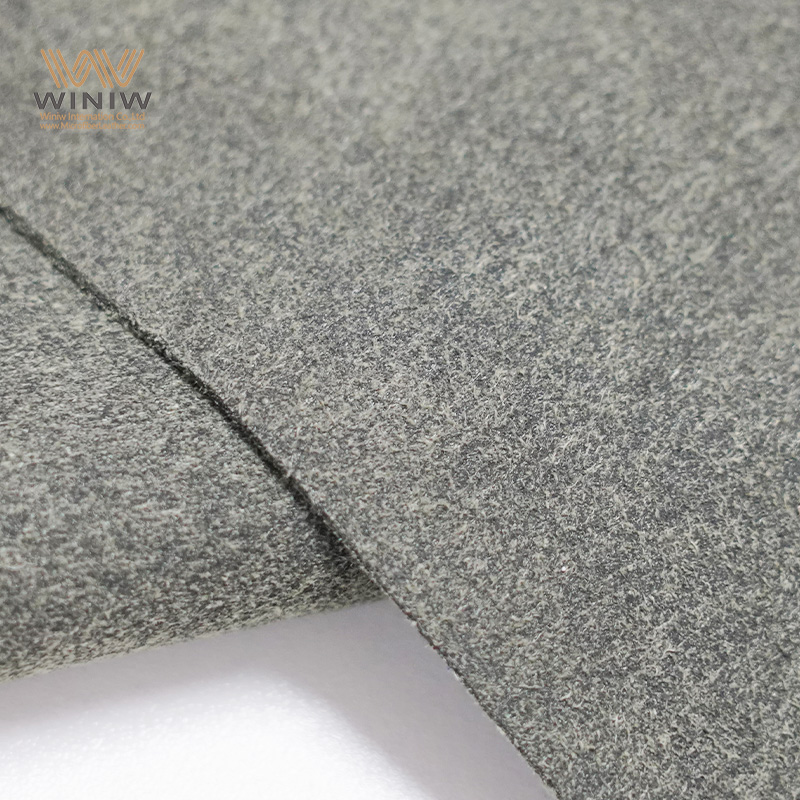
Für die tägliche Reinigung verwende ich ein weiches, feuchtes Tuch. Hartnäckigere Flecken behandle ich mit einer milden Seifenlauge. Scharfe Chemikalien vermeide ich grundsätzlich. Jedes Reinigungsmittel teste ich vorher an einer unauffälligen Stelle.
Ich empfehle PU-Wildleder nicht für den Außenbereich. Sonnenlicht und Feuchtigkeit können das Material beschädigen. Meine PU-Wildledersofas bewahre ich daher im Innenbereich auf, um ihr Aussehen und ihre Langlebigkeit zu erhalten.
Ich stelle mein Sofa nicht in die direkte Sonne. Während der Mittagssonne verwende ich Vorhänge oder Jalousien. Einige PU-Wildlederstoffe bieten UV-Schutz, deshalb frage ich meinen Lieferanten immer nach dieser Eigenschaft.
Ja, ich finde, PU-Wildleder ist staub- und allergenabweisender als viele Naturfasern. Ich sauge es regelmäßig mit einer weichen Bürste ab. Außerdem achte ich, wenn möglich, auf hypoallergene oder antimikrobielle Alternativen.
Hochwertiges PU-Wildleder ist abrieb- und rissfest. Ich achte auf eine verstärkte Rückseite und die richtige Dicke. Billige Varianten, die sich dünn anfühlen oder stark chemisch riechen, meide ich.
Ja, für kleinere Reparaturen verwende ich selbstklebende PU-Wildlederflicken. Ich reinige die Stelle vorher und bringe dann den Flicken an. Bei größeren Schäden wende ich mich an einen professionellen Polsterer.
Ich wähle mittlere Farbtöne oder dezente Muster. Diese Farben kaschieren Flecken und sind strapazierfähiger als einfarbige helle oder dunkle Farben. Bevor ich mich endgültig entscheide, teste ich immer Farbmuster in meinen Räumlichkeiten.
Business Phone : +8618150976625
E-mail : Hello@MicrofiberLeather.com
Mobile & WhatsApp : +8618150976625
Die Anschrift : W6-302 Shimao Manhadun Shuanglong Road, Jinjiang Quanzhou Fujian China



© Urheberrechte © 2022 Winiw International Co., Ltd.Alle Rechte vorbehalten.
XML | Datenschutz-Bestimmungen |