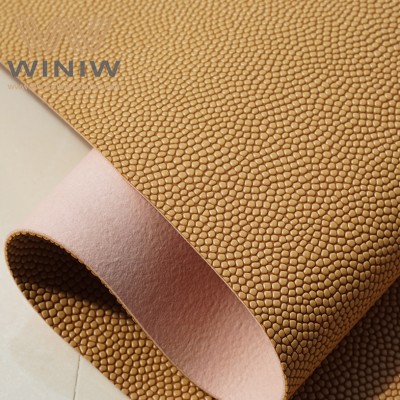

Ich weiß, wie frustrierend es ist, einen zu sehen PU-Material Mein Fußball verliert schnell seine Form und Farbe. Ich habe gelernt, dass ich mit ein paar einfachen Gewohnheiten meinen Ball schützen und ihn wie neu aussehen lassen kann. Ich möchte meine Methode mit euch teilen, damit ihr unbeschwert spielen und jedes Spiel optimal nutzen könnt.
Regelmäßig Reinigen Sie Ihren PU-Fußball Um Griffigkeit und Aussehen zu erhalten, verwenden Sie milde Seife und ein weiches Tuch, um die Oberfläche nicht zu beschädigen.
Bewahren Sie Ihren Fußball an einem trockenen, schattigen Ort auf, um ihn vor Sonnenlicht und Feuchtigkeit zu schützen. Dies beugt Ausbleichen und Schimmelbildung vor.
Untersuchen Sie Ihren Ball vor und nach dem Spiel auf Beschädigungen. Durch die frühzeitige Erkennung von Problemen können größere Schwierigkeiten später vermieden werden.
Verwenden Sie einen synthetischen Ballpfleger, um die Oberfläche des Balls geschmeidig zu halten. Wenden Sie ihn gemäß den Anweisungen des Herstellers an, um optimale Ergebnisse zu erzielen.
Entwickeln Sie eine Pflegeroutine, die die Reinigung, Inspektion und Pflege Ihres Balls umfasst. Konsequente Pflege führt zu besserer Leistung und längere Lebensdauer.
Ich reinige einen Fußball immer, weil Schmutz und Ablagerungen ihn beschädigen können. PU-OberflächeWenn ich auf Rasen oder Kunstrasen spiele, setzen sich Schlamm und Staub an den Spielflächen fest. Ignoriere ich das, verliert der Ball seine Griffigkeit und Farbe. Regelmäßiges Reinigen trägt dazu bei, Aussehen und Spieleigenschaften des Balls zu erhalten. Ich merke, dass sich ein sauberer Fußball im Spiel besser anfühlt und länger hält. Gründliche Reinigung beugt außerdem der Bildung von Bakterien und Schimmel vor, insbesondere nach Spielen im Regen.
Ich folge einem einfachen Verfahren, um einen Fußball zu reinigen und ihn in Top-Zustand zu halten:
Ich entferne losen Schmutz mit einem trockenen, weichen Tuch.
Ich mische eine kleine Menge milde Seife mit lauwarmem Wasser.
Ich tauche ein sauberes Tuch in das Seifenwasser und wische vorsichtig die Oberfläche des Balls ab.
Ich konzentriere mich auf die gründliche Reinigung von Stellen mit hartnäckigen Flecken, indem ich sanft in kreisenden Bewegungen reibe.
Ich benutze ein separates, feuchtes Tuch, um eventuelle Seifenreste abzuwischen.
Ich trockne den Ball mit einem Handtuch ab und lasse ihn vor der Lagerung vollständig an der Luft trocknen.
Tipp: Ich tauche den Ball niemals in Wasser, es sei denn, der Hersteller gibt an, dass er wasserdicht ist. Zu viel Wasser kann in die Nähte eindringen und die innere Blase beschädigen.
Ich wiederhole dies Tiefenreinigungsroutine Nach ein paar Spielen oder immer wenn der Ball schmutzig aussieht, halte ich ihn so in Schuss. Diese Angewohnheit sorgt dafür, dass mein Fußball wie neu aussieht und sich auch so spielt.
Ich verzichte beim Reinigen eines Fußballs auf aggressive Chemikalien. Diese Produkte können die Klebstoffe lösen, die die einzelnen Paneele zusammenhalten. Dadurch wird der Ball geschwächt und seine Lebensdauer verkürzt sich. Auch auf Scheuerbürsten oder raue Schwämme verzichte ich, da diese die PU-Oberfläche zerkratzen können. Für eine gründliche Reinigung verwende ich ein weiches Tuch und übe nur leichten Druck aus.
Aggressive Chemikalien können Klebstoffe an Plattenwerkstoffen angreifen. bei PU-Fußbällen, was deren Integrität und Lebensdauer negativ beeinflusst.
Für die gründliche Reinigung verwende ich niemals Bleichmittel oder starke Reinigungsmittel.
Ich vermeide es, den Ball einzuweichen, da zu viel Feuchtigkeit zu inneren Schäden führen kann.
Indem ich diese Schritte befolge, stelle ich sicher, dass jede gründliche Reinigung meinen Fußball schützt und seine Lebensdauer verlängert.
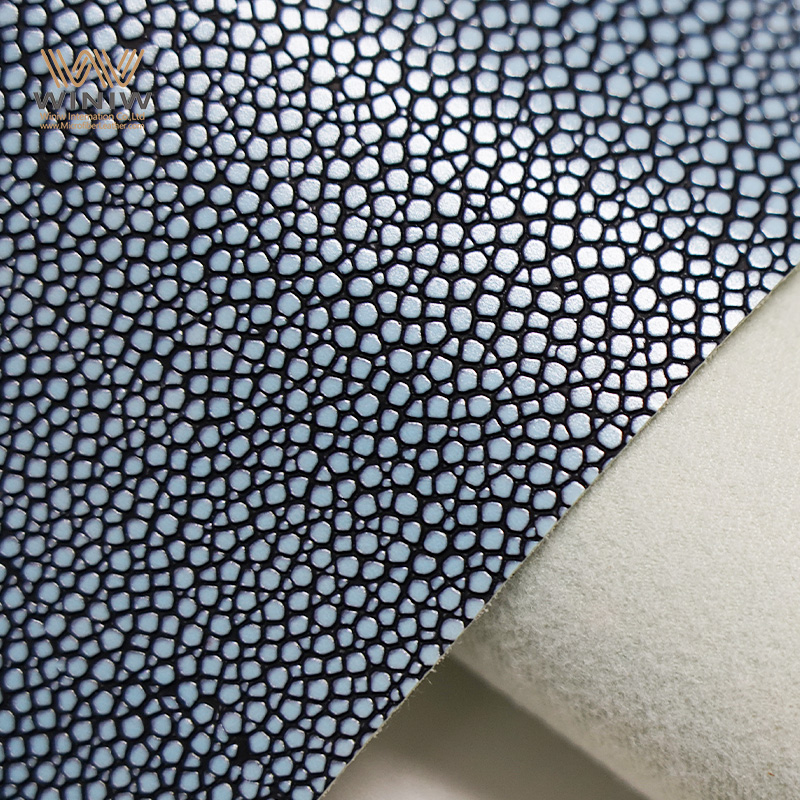
Ich bewahre meinen Fußball immer an einem schattigen, trockenen Ort auf. Ich vermeide es, ihn im Auto oder in der Garage liegen zu lassen, da Temperaturschwankungen das PU-Material beeinträchtigen können. Ich benutze ein einfaches Regal oder eine spezielle Balltasche, um ihn vom Boden fernzuhalten. Ich achte darauf, dass der Aufbewahrungsort gut belüftet ist. Ich stapel niemals schwere Gegenstände auf den Ball. Dadurch behält er seine Form.
Tipp: Bevor ich meinen Ball dort ablege, prüfe ich den Aufbewahrungsort auf Feuchtigkeit. Feuchtigkeit kann Schimmelbildung verursachen und die Nähte schwächen.
Ich habe gelernt, dass Sonnenlicht und Feuchtigkeit die größten Gefahren für meinen Fußball darstellen. Längere UV-Strahlung lässt die Farbe verblassen und die Oberfläche rissig werden. Ich lasse meinen Ball nach dem Training nie draußen liegen. Wenn er während eines Spiels nass wird, wische ich ihn ab. Ich nehme ein Handtuch, um das Wasser aufzusaugen, und lasse den Ball an der Luft trocknen. Ich vermeide es, den Ball in der Nähe von Fenstern oder Heizkörpern aufzubewahren. Diese Maßnahmen helfen mir, die Griffigkeit und das Aussehen des Balls zu erhalten.
Gefahr | Auswirkung auf den Ball | Meine Lösung |
|---|---|---|
Sonnenlicht | Verblassen, Risse | Im Schatten lagern. |
Feuchtigkeit | Schimmel, schwache Nähte | Vor der Lagerung trocknen lassen. |
Ich benutze ein synthetischer Conditioner Speziell für PU-Materialien entwickelt. Ich gebe eine kleine Menge auf ein weiches Tuch und reibe es sanft auf die Balloberfläche. Dadurch bleiben die Platten flexibel und blättern nicht ab. Ich beachte die Anwendungshäufigkeit gemäß den Herstellerangaben. Übermäßiges Pflegen vermeide ich, da die Oberfläche sonst rutschig werden kann. Regelmäßiges Pflegen verbessert das Ballgefühl und verlängert die Lebensdauer.
Notiz: Ich teste den Conditioner immer zuerst an einer kleinen Stelle, um sicherzustellen, dass er mit meinem Ball kompatibel ist.
Ich bin überzeugt, dass die richtige Pflege eines Fußballs einen deutlichen Unterschied macht. Diese Aufbewahrungs- und Schutzgewohnheiten tragen dazu bei, dass mein Fußball aus PU-Material eine bessere Leistung erbringt und länger hält.
I Untersuche meinen Fußball Vor und nach jedem Spiel suche ich nach abblätterndem Material, Rissen oder abgenutzten Stellen. Ich fahre mit den Fingern über die Spielflächen, um raue Stellen zu ertasten. Ich prüfe die Nähte auf Ablösung oder Ausfransungen. Ich bin überzeugt, dass die frühzeitige Erkennung von Schäden mir hilft, größere Probleme später zu vermeiden. Ich möchte einen hygienischen Fußball, deshalb entferne ich Schmutz und Ablagerungen sofort. Hartnäckige Flecken entferne ich mit einem Kunstlederreiniger. Ich weiß, dass regelmäßige Pflege meinen Ball in einem guten Zustand hält und ihn spielbereit macht.
Sobald ich Abnutzungserscheinungen oder Schuppenbildung bemerke, handle ich schnell. Ich reinige die betroffene Stelle mit einem weichen Tuch und milder Seife. Ich lasse den Ball vollständig trocknen. Anschließend trage ich eine kleine Menge auf. synthetischer Conditioner Um die Flexibilität wiederherzustellen, verzichte ich auf Klebstoff oder Klebeband, da diese das PU-Material beschädigen können. Ich befolge die Reparaturanweisungen des Herstellers. Ich bin überzeugt, dass regelmäßige Pflege weiteren Schäden vorbeugt und die Lebensdauer des Balls verlängert. Kleine Probleme ignoriere ich nie, da sie sich zu größeren Schwierigkeiten auswachsen können.
Tipp: Ich bewahre in meiner Ausrüstungstasche ein Wartungsset mit einem weichen Tuch, milder Seife und Conditioner auf. Diese Angewohnheit hilft mir, kleinere Reparaturen direkt vor Ort durchzuführen.
Regelmäßige Ballpflege gehört für mich zum Fußballtraining dazu. Ich reinige meinen Ball nach einigen Spielen und bewahre ihn an einem trockenen, schattigen Ort auf. Wöchentlich überprüfe ich die Oberfläche auf Beschädigungen. Einmal im Monat verwende ich Ballpflegemittel, um die Spielflächen geschmeidig zu halten. Ich vermeide extreme Temperaturen. Ich bin überzeugt, dass konsequente Pflege zu besserer Leistung und längerer Lebensdauer führt. Ich empfehle jedem Spieler, sich einen Pflegeplan zu erstellen.
Wartungsaufgabe | Frequenz | Meine Aktion |
|---|---|---|
Sauberer Ball | Nach den Spielen | Verwenden Sie milde Seife und ein Tuch. |
Auf Beschädigungen prüfen. | Wöchentlich | Nähte und Einsätze prüfen |
Oberflächenbeschaffenheit | Monatlich | Synthetischen Conditioner auftragen |
Ich weiß, dass die richtige Pflege eines Fußballs für jeden Spieler unerlässlich ist. Ich bin überzeugt, dass regelmäßige Pflege meinen Ball über viele Saisons in Top-Zustand hält.
Um die Lebensdauer meines Fußballs zu maximieren, achte ich auf drei wichtige Gewohnheiten: Ich reinige ihn regelmäßig, lagere ihn sachgemäß und überprüfe ihn routinemäßig auf Mängel. Diese Maßnahmen tragen zu einer längeren Lebensdauer und besseren Leistung bei. Die folgende Tabelle zeigt, wie Jede Wartungsmaßnahme trägt zur Langlebigkeit bei:
Wartungsmaßnahme | Auswirkungen auf die Leistung |
|---|---|
Auf den vom Hersteller empfohlenen PSI-Wert aufpumpen. | Verhindert das Platzen und gewährleistet optimale Leistung. |
Innenräume und vor direkter Sonneneinstrahlung geschützt lagern. | Schützt die Materialintegrität und verhindert Materialermüdung. |
Mit milder Seife und einem feuchten Tuch reinigen. | Erhält die Oberflächenqualität und beugt Verschleiß vor. |
Vermeiden Sie scharfe Gegenstände und heiße Oberflächen. | Verringert das Risiko von Beschädigungen, die die Ballleistung beeinträchtigen können. |
Ich reinige meinen Ball nach jedem Spiel. Dazu verwende ich milde Seife und ein feuchtes Tuch. Ich entferne Schmutz, um seine Lebensdauer zu verlängern. Ich reinige ihn vor der Lagerung und sobald ich Abnutzungserscheinungen bemerke. Die Reinigung beugt Beschädigungen vor und sorgt dafür, dass der Ball jederzeit spielbereit ist. Außerdem spart sie Geld und vermeidet häufige Neukäufe. Und letztendlich reinige ich ihn für meine Zufriedenheit und eine lange Nutzungsdauer. Ich bin überzeugt, dass diese Gewohnheiten mehr Spiele und zuverlässige Leistung garantieren.
Fußbälle aus PU-Material bieten ein weiches Ballgefühl und Wasserbeständigkeit.
Längere Lebensdauer bedeutet weniger Ersatzbedarf und Kosteneinsparungen.
Ich investiere in ein hochwertiges Ballset für langanhaltende Freude.
Ich ermutige jeden Spieler, seinen Fußball zu reinigen, aufzubewahren und zu pflegen, um seine Lebensdauer zu verlängern.

Ich reinige meinen PU-Fußball nach jedem Spiel, um die Hygiene zu gewährleisten. Dazu verwende ich Desinfektionsspray und -tücher, um Schmutz und Bakterien zu entfernen. Diese Routine sorgt dafür, dass der Ball hygienisch bleibt und die Verbreitung von Keimen verhindert wird.
Ich verwende Desinfektionsspray speziell für Sportgeräte. Ich sprühe es leicht auf und wische anschließend mit Desinfektionstüchern nach. So bleibt der PU-Fußball sauber und hygienisch. Um die Oberfläche zu schonen, verzichte ich auf Sprays mit aggressiven Chemikalien.
Ich habe Desinfektionsspray und Desinfektionstücher in meiner Sporttasche. Nach jedem Spiel reinige ich meinen PU-Fußball sofort. Ich sprühe Desinfektionsspray auf die Seitenflächen und wische sie anschließend mit Desinfektionstüchern ab. Diese Vorgehensweise gewährleistet Hygiene und beugt Schimmelbildung vor.
Für die schnelle Reinigung verwende ich am liebsten Desinfektionsspray. Ich sprühe den PU-Fußball ein und lasse ihn an der Luft trocknen. Für eine gründlichere Reinigung nutze ich Desinfektionstücher. Beide Methoden helfen mir, die Hygiene zu wahren und die Lebensdauer meines PU-Fußballs zu verlängern.
Ich bewahre meinen Fußball aus PU-Material an einem trockenen, schattigen Ort auf. Vor der Lagerung desinfiziere ich ihn mit Desinfektionsspray und wische die Oberfläche anschließend mit Desinfektionstüchern ab. So bleibt der Ball frisch und hygienisch zwischen den Spielen.
Business Phone : +8618150976625
E-mail : Hello@MicrofiberLeather.com
Mobile & WhatsApp : +8618150976625
Die Anschrift : W6-302 Shimao Manhadun Shuanglong Road, Jinjiang Quanzhou Fujian China



© Urheberrechte © 2022 Winiw International Co., Ltd.Alle Rechte vorbehalten.
XML | Datenschutz-Bestimmungen |